5 Things a Type Beat Buyer Must Know Before Licensing a Chicago Drill Instrumental
Want articles like this for your own video to promote it on YouTube and Google? Order them through the Telegram bot @sat_sit_bot. Articles with your video embedded are written and posted by the bot itself — on popular topical sites (no ads). Try it free: 50 articles on us.
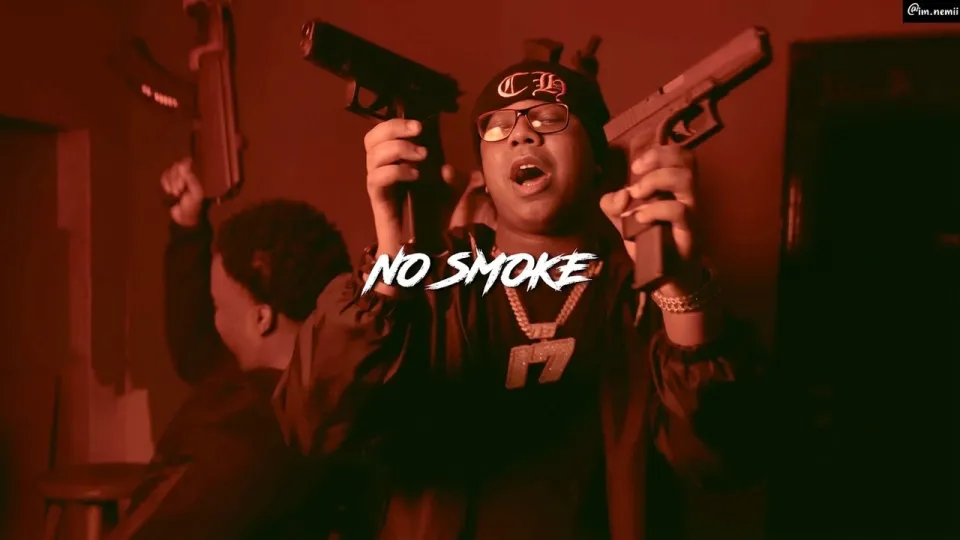
A type beat is an original instrumental produced in the style of a specific artist and sold to rappers under a license, not a finished song. In practice, buying one means choosing a lease or exclusive, downloading the files, and recording over a beat that already carries the sonic signature of a scene such as Chicago drill. Nemii's "No Smoke" is a current example: a hard Chicago drill instrumental built in the style of VonOff1700, with licensing handled through the beat's license page.
What a type beat actually is and why Chicago drill dominates the search
A type beat is a production that borrows the tempo, drum selection, melody language and mix character of a known artist without using their vocals or copyrighted recordings. Producers label them by artist name so that rappers searching for a specific sound can find a matching instrumental quickly. Chicago drill has become one of the most searched categories because the style is narrow enough to be recognizable and flexible enough to fit hundreds of unsigned artists.
The Chicago variant that VonOff1700 and peers like Bloodhound Q50 work in is defined by a few reliable traits: a dark, minor-key melodic loop, sliding 808 bass, sharp and often triplet-driven hi-hats, and a mix that leaves the low midrange open for a dense, aggressive vocal. A producer building in this lane is effectively delivering a template, and the buyer's job is to check that the template fits their voice rather than the other way around.
How the licensing on a type beat works in practice
Licensing is the part most new rappers get wrong, and it is the part that decides whether a release stays online. The standard structure looks like this:
- Choose the license tier. A lease grants limited distribution rights for a set term and a capped number of streams or sales; an exclusive transfers broader rights and removes the beat from sale.
- Pay before release. The "No Smoke" instrumental is explicitly not a free beat to rap on for commercial release; a license is required to publish it on digital platforms.
- Download the untagged file. Leased beats are often previewed with a producer tag; the paid delivery is the clean, high-quality version.
- Keep the receipt and the license terms. Distributors and content-ID systems may ask for proof when a release is flagged.
Free downloads exist in this market, but they are almost always tagged, non-profit, or restricted to demos and freestyles. Treating a free download as a release-ready master is the fastest route to a takedown.
What the VonOff1700 style demands from a beat
A VonOff1700 type beat has to hit hard before the vocal arrives, because the delivery it is written for is confrontational and rhythmic rather than melodic. Producers working this style usually prioritize a loop that survives repetition, an 808 pattern that locks with the kick, and hi-hat rolls that give the rapper room to switch between pocket and double-time flows. The title "No Smoke" signals the intended mood: dark, direct, and built for street narrative rather than hooks.
For a rapper, the practical test is simple. Play the beat at low volume and freestyle for thirty seconds; if the pocket is obvious without effort, the tempo and swing match your delivery. If you find yourself fighting the hi-hats, the beat is in someone else's style, not yours.
Typical questions from listeners and buyers
The reaction to a hard drill instrumental usually splits into two camps: people writing bars in the comments and people asking whether their own music sounds good enough to justify a purchase. Both reactions point to the same practical concerns.
First, writers test the beat by drafting a verse on the spot, which is exactly how you should evaluate any instrumental before paying. Second, aspiring artists ask for feedback on their sound, and the honest answer is that a beat cannot fix delivery, mixing or writing — it can only support them. Third, some listeners question whether the sound is authentic to the scene, which is a fair check: a type beat should reproduce the production conventions of the style, not a caricature of them. Fourth, the mood of the lyrics matters more than the label; a dark Chicago drill instrumental invites aggressive, detailed writing, and forcing a different tone over it rarely works.
Where to buy, download and commission beats
All official links for the "No Smoke" instrumental and the wider catalog are collected below.
- License and lease the beat: https://bsta.rs/Hxl2S2
- Buy the high-quality untagged version, with a buy-2-get-1-free offer: https://bsta.rs/fCVYYX
- Instagram for custom beats, exclusives and coupon codes: https://www.instagram.com/im.nemii/
- Full catalog and more beats: https://nemiiofficial.com
- Email for business: beatbynemii@gmail.com (loops are not accepted by email)
When commissioning a custom beat, send references by artist and tempo, state whether you need an exclusive, and confirm the deadline before payment. Producers in this scene work fast, but exclusivity and revisions should always be agreed in writing.
Conclusion
A type beat is a licensed product, and the quality of the purchase depends on matching the instrumental to your delivery and securing the right paperwork before release. Nemii's "No Smoke" is a clear example of the hard Chicago drill lane associated with VonOff1700 and Bloodhound Q50: dark loops, heavy 808s and a mix built for aggressive vocals. If the pocket fits, start with the license page and confirm the terms before you upload anything. The video breakdown on the Nemii channel shows the instrumental in context, and the catalog link covers everything else in the same style.
Key takeaways
- A type beat is an original instrumental made in the style of a specific artist, sold under a license rather than as a finished song.
- Nemii's "No Smoke" is a hard Chicago drill type beat in the style of VonOff1700, Bloodhound Q50 and related Chicago artists.
- The beat is not free to release: a license must be purchased before distribution on digital platforms.
- Untagged high-quality files are sold separately from the lease, with a buy-2-get-1-free offer on the catalog.
- Custom beats and exclusives are arranged directly through Instagram or email, and loops are not accepted by email.
Questions & answers
Can I release a song on a type beat for free?
Not commercially. Free downloads of type beats are typically tagged or limited to non-profit use, so publishing on streaming platforms requires a paid lease or exclusive. Check the producer's license terms before you distribute anything.
How do I know if a drill beat fits my voice?
Record a thirty-second freestyle over it at low volume and listen back. If your flow lands on the hi-hat pattern without forcing it, the tempo and swing suit you; if you keep fighting the rhythm, look for a different instrumental.
What is the difference between a lease and an exclusive on a type beat?
A lease gives limited rights for a set term with caps on streams and sales, and the beat stays on sale to others. An exclusive transfers broader rights and usually removes the beat from the catalog so no one else can use it.
Can I ask a producer for a custom beat in the VonOff1700 style?
Yes. Producers who sell type beats generally take custom and exclusive commissions through Instagram or email. Send artist references, tempo, deadline and whether you need exclusivity, and confirm the price in writing before payment.
Source: [Hard] VonOff1700 Type Beat - “No Smoke” | Chicago Type Beat 2026 · Markdown version